Month: August 2023
-
Biology practical questions and answers (section 4).
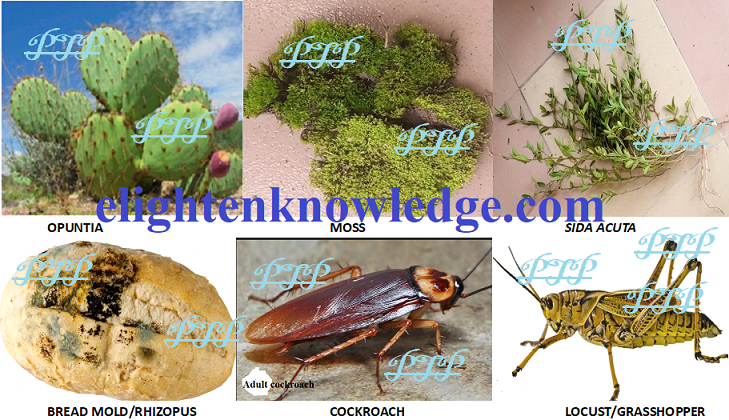
Specimen A – Opuntia State the division of specimen A. Specimen A – Division Angiospermophyta. Give the habitat of specimen A with two reasons. Habitat: Savanna region Desert/arid region Reasons: Possess succulent stem to store water. Presence of a waxy thick cuticle to prevent excessive water loss. Leaves are modified/reduced into spines. Presence of sunken…
-
Biology Practical Questions and Answers (Section 1).
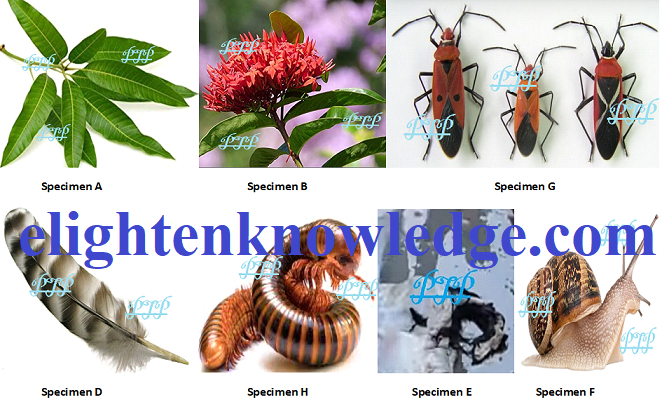
Biology Practical Questions and Answers (Section 1). Question 1 Specimen A – Twig of mango plant Specimen B – Twig of Ixora plant Study specimens A and B carefully and use them to answer the following questions Classify specimen B into its Division and Class Answer: Division Angiospermophyta Class Dicotyledoneae. State the types of leaf…
-
CONCISE NOTE ON MOLE CONCEPT, INTEGRATED SCIENCE (SHS)
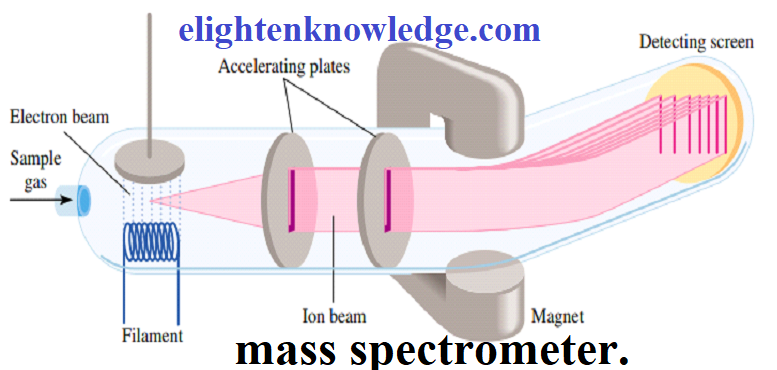
CONCISE NOTE ON MOLE CONCEPT Mole Mole is defined as the amount of substance containing Avogadro’s number in of particles. A mole is also the number of atoms in exactly 12 grams of carbon-12. The Avogadro’s number of particles is 6.02 x10²³ particles. A mole is also a unit of measurement of the amount of…
-

Solution of ammonium carbonate and bromine water solution preparation in the laboratory.
Solution of ammonium carbonate and bromine water solution preparation in the laboratory. Ammonium carbonate solution; The molecular formula of ammonium carbonate solution is (NH4)2CO3. Ammonium carbonate solution serves as a bench reagent in the laboratory. It is used in fire extinguishers and textile dyeing. Ammonium carbonate is also used in baking powder and ceramics. Ammonium…
-

Why dogs never get missing no matter how long they have gone away from home.
Why dogs never get lost, no matter how long they have been away from home. Animals have unique characteristics and behaviors that help them survive daily. Some of these characters include; Communication Courtship Territoriality Their feeding habits Dogs are used for security purposes and to safeguard properties. They have a very high sense of smell…
-
Root structure and modification, elective biology note for SHS.
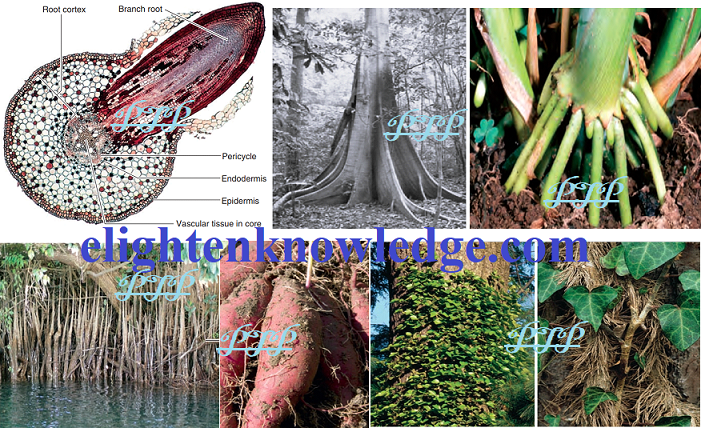
Root structure and modification ROOT SYSTEM: The root system anchors the plant in the soil. It absorbs water and ions from the soil. Also, conducts water and selected ions to the shoot. And obtains energy in the form of sugar from the shoot. Stores material produced in the shoot for later use. http:// Most plants have…
-

Trier questions for nursing training collage final year students in Ghana (Medicine).
1. Which statement describes the contagious stage of varicella? A. The contagious stage is 1 day before the onset of the rash until the appearance of vesicles. B. The contagious stage is from the onset of the rash until the rash disappears. C. The contagious stage is 1 day before the onset of the rash…
-
Biology Practical questions and answers (Section 2).
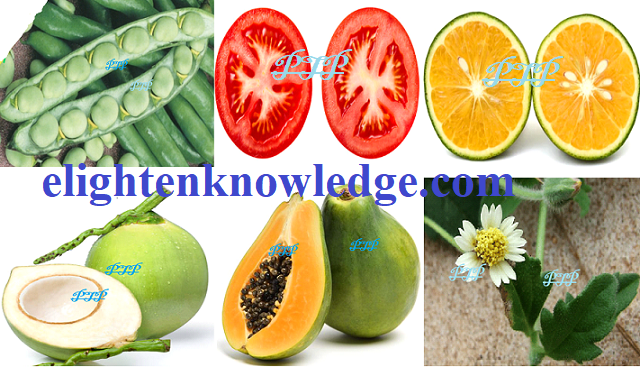
Specimen A – Orange fruit Specimen B – Tomatoes fruit. Specimen C – Coconut fruit Specimen D – Pawpaw fruit. Specimen E – Pod of cowpea. Specimen F – Fruit of Tridax. Specimen G – Sugar cane stem. Classify specimens A, B, C, and E Specimen A Is a Berry True Fruit Simple fruit Specimen B…
-
Biology practical questions and answers on plant physiology (3)
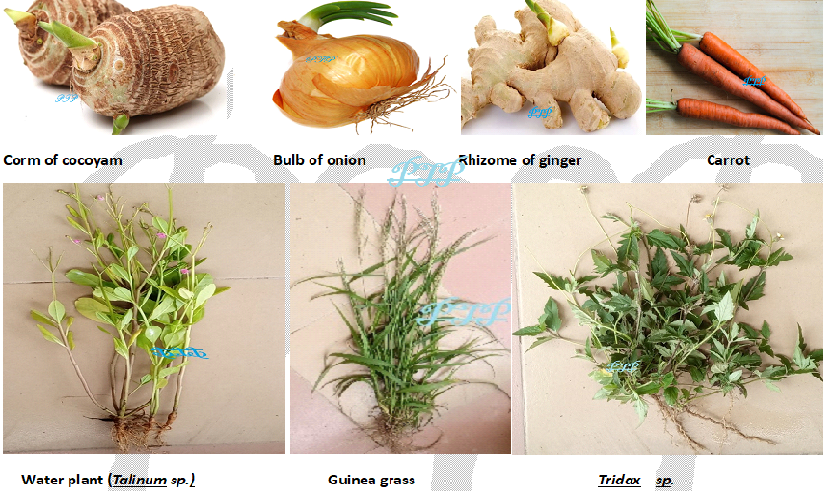
Specimen provided Specimen A – Corm of cocoyam Specimen B – a bulb of onion Specimen C – Rhizome of ginger Specimen D – carrot Specimen E – water plant (Talinum sp.) Specimen F – Guinea grass Specimen G – Tridax sp. Questions State four observable similarities between specimens A and C. ANSWER: Both have scale leaves…
-
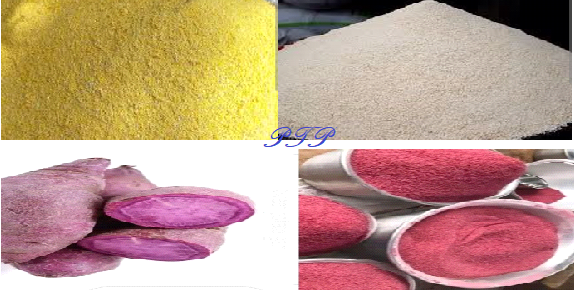
Why some gari are white and others are pale-yellow?
Why some gari are white and others are pale-yellow? Gari is one of the foods consumed by many and a lot of people cannot do without it. It has saved a lot of families from hunger. It contains mainly carbohydrates (starch). Gari can be eaten raw, It can also be eaten with beans popularly known…
-
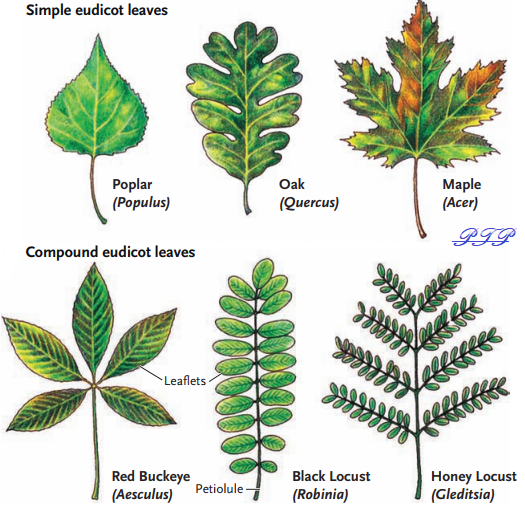
Leaf structure, description, and modifications.
Leaf structure, description, and modifications. Leaves, which are initiated as primordia by the apical meristems, are vital to life as we know it because they are the principal sites of photosynthesis on land, providing the base of the food chain. Leaves expand by cell enlargement and cell division at the apical meristem. Most leaves are…
-
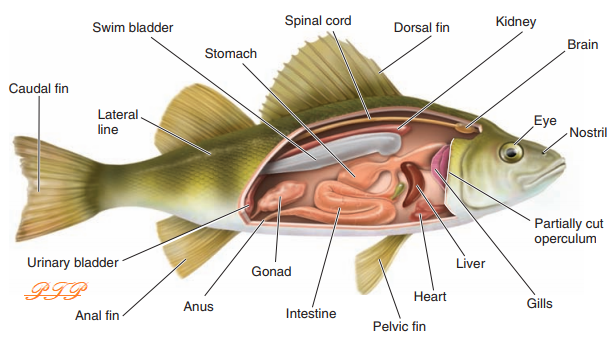
Life process of bony fish (Osteichthyes “Tilapia”), SHS elective biology.
Life process of bony fish (Osteichthyes “Tilapia”) Tilapia is a common freshwater bony fish found in lakes and rivers and brackish (slightly salty) water lagoons. Tilapia is poikilothermic (cold-blooded), that is the body temperature varies with the temperature of its surrounding. http:// Scientific classification. Phylum Chordata Reason; They possess pharyngeal silts. A hollow nerve cord…
Search the Archives

Stay Connected
Categories
Academic Agricultural Biology JHS NEWS NSMQ NURSE Personal Growth and Development SHS Skin Care Social Uncategorized
You May Have Missed