Tag: science(biology)
-
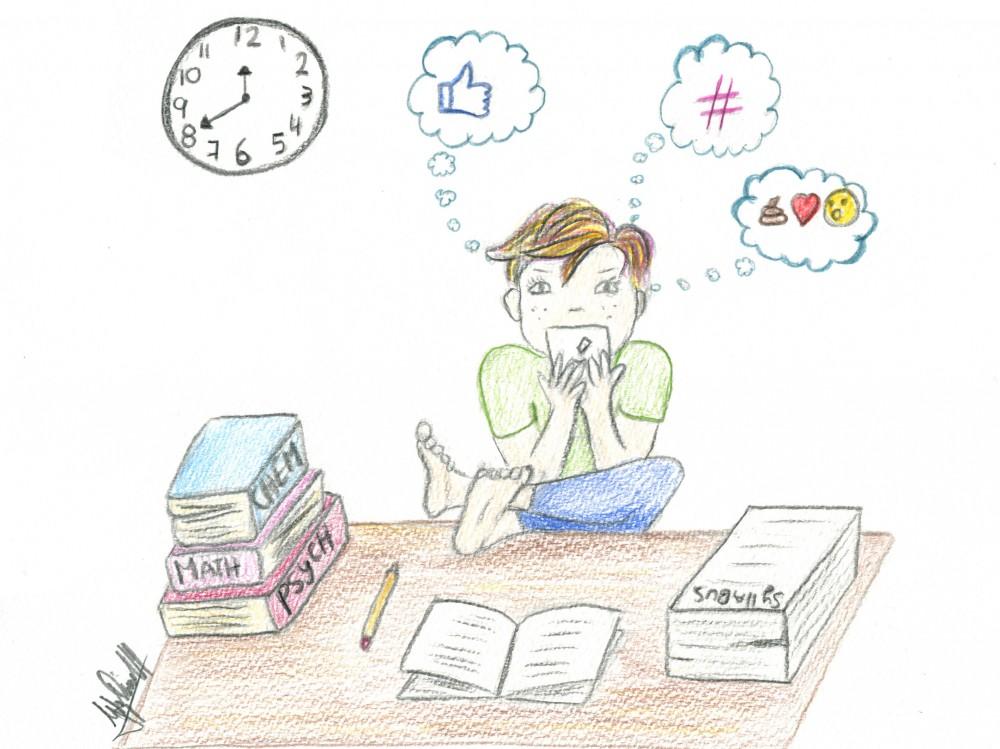
Meditate, Don’t Medicate; Does meditation apps work?
Meditate, Don’t Medicate; Does meditation apps work? Before I began a meditation practice, I thought what you’re probably thinking right now: I can’t clear my head for a few seconds, let alone minutes every day But meditation isn’t about clearing your head; it’s about making friends with your mind. Similar to swimming, or riding a…
-
What do they all have in common? Insomnia, Allergies, Anxiety, and Motion sickness
What do they all have in common? Insomnia, Allergies, Anxiety, and Motion sickness They are all frequently treated with a class of drugs known as anticholinergics. Some of these drugs are available only with a prescription, but many are found over the counter, which is surprising given their ability to screw with your brain. Anticholinergic…
-

Is Your Building Making You Sick; Flame Retardants
Is Your Building Making You Sick; Flame Retardants Air quality in buildings is a growing concern for public health officials, especially as they become more tightly sealed to save on heating and air-conditioning costs. People subjected to poor indoor air quality display reduced cognitive performance and even complain of various symptoms that are the basis…
-
Innocent until proven guilty; Plastic Paradise Turn Deadly
The two most common and well-studied plastic compounds are phthalates and bisphenols. Generally speaking, bisphenols are used to make plastics hard, and phthalates are used to make plastics soft. Bisphenols can be found in furniture, baby bottles, the lining of cans, plastic cutlery, and writing utensils. Phthalates are usually found in single-use plastic bottles, takeout…
-
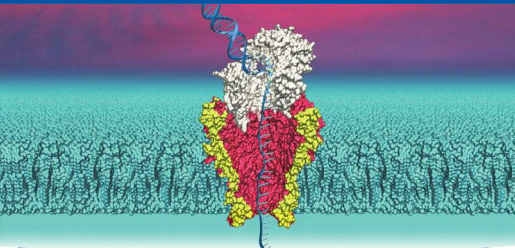
Innocent until proven guilty, a nonstick nightmare; Perfluorinated Alkylated Substances (PFASs)
Innocent until proven guilty, a nonstick nightmare; Perfluorinated Alkylated Substances (PFASs) Good for a justice system, bad when applied to newfangled chemicals to which humans and other animals are to be routinely exposed. Industrial creations, from food products and supplements to medicines and even medical devices, frequently infiltrate our lives before rigorous, long-term testing is…
-
WHEN GOOD STRESS TURNS BAD
WHEN GOOD STRESS TURNS BAD. When under any type of stress be it the stress from work or a workout your body is thrust out of balance. And the collective steps it must take to recover is known as its allostatic load. But pile on the stress and suddenly your load becomes overload. How do…
-
TAKE A NATURE PILL TO BEAT STRESS
TAKE A NATURE PILL TO BEAT STRESS Think you’re busy? Office workers routinely work long hours. Stress runs rampant, and there’s even a saying that people are being worked to death. A preventable tragedy that claims a small but growing number of lives every year. Perhaps for this reason (and the fact that 93 percent…
-
Why do we have sweet tooth?
Looking at your tongue closely in the mirror you will see tiny bumps scattered on the surface. Inside these bumps are small structures called taste buds and inside the taste buds are cells called taste receptors. The taste receptors detect the presence of certain molecules and send messages to your brain about them. The sensed…
-
Using Immobilised Enzymes
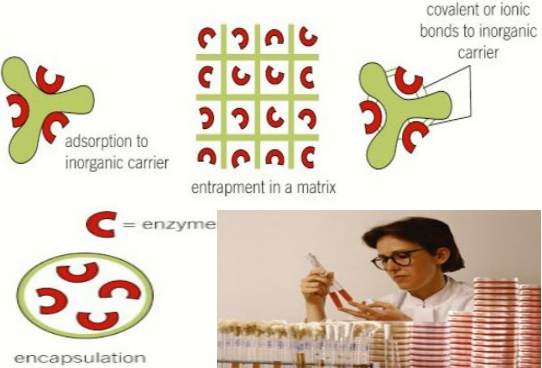
Enzymes, mainly from microorganisms, have been used indirectly for thousands of years in biotechnologies including brewing, baking, and making cheese and yoghurt. Many biotechnological processes still use whole microorganisms as their enzyme source. More recently they are also being used in isolation. Isolated enzymes Using isolated enzymes instead of whole organisms has some clear advantages.…
-
Culturing microorganisms in the laboratory and on an industrial scale.
Culturing microorganisms in the laboratory To investigate microorganisms for the medical diagnosis of disease or scientific experiments you need to culture them. This often involves growing large enough numbers of microorganisms for us to see them clearly with the naked eye. Whenever microorganisms are cultured in the laboratory the correct health and safety procedures must…
-
Microorganisms, Medicines, and Bioremediation.
Since the discovery of penicillin in the 1920s, biotechnology has played a key role in the development of medicines. Producing penicillin The first effective antibiotic was penicillin, produced by a mould called Penicillium notatum. The yield of penicillin from this mould was very small. Commercial production of the drug in the quantities needed to treat…
-
Microorganisms and Biotechnology
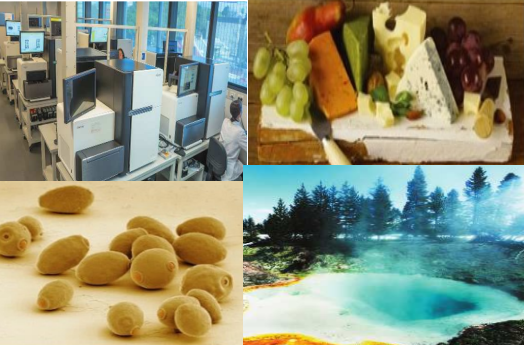
The earliest recorded use of microorganisms by people was around 6000 BC when the Sumerians and Babylonians were using yeast to make beer. By 4000 BC the Egyptians were using yeast to make their bread rise. These are all examples of the development and use of biotechnology over several millennia. Defining biotechnology Biotechnology involves applying…
-
Understanding Cloning in Animals
Cloning is a natural part of the reproductive cycle in many plants. Perhaps surprisingly, it is not uncommon in many animal species and even occurs in human beings. Natural cloning in animal Natural cloning is common in invertebrate animals. Although it is less common in vertebrates, it still occurs in the form of twinning. Cloning…
-
Understanding Natural and Artificial Cloning in Plants
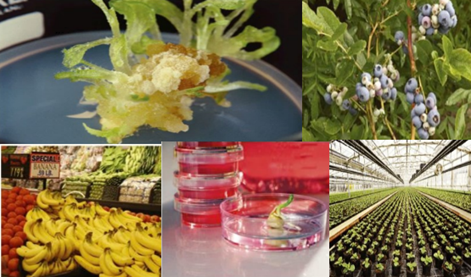
Asexual reproduction is a form of cloning and it results in offspring produced by mitosis known as clones. Clones are usually genetically identical to both the parent organism and to each other. Natural cloning Vegetative propagation, or natural cloning, occurs in many species of flowering plants. A structure forms which develops into a fully differentiated…
-
Genetic Engineering, Gene Technology and Ethics
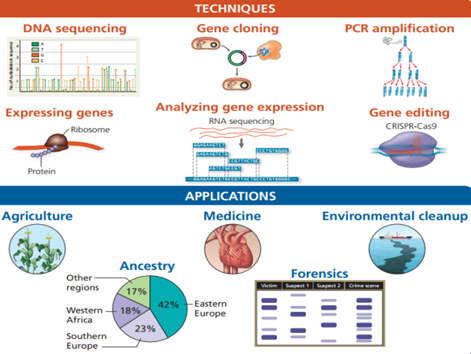
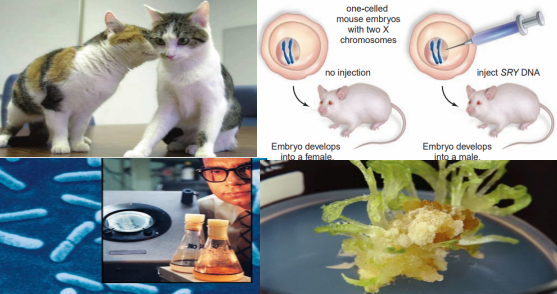
DNA sequencing and proteomics provide us with a detailed understanding of an organism’s genetic instructions. Advances in these technologies and molecular biotechnology techniques mean it is now possible to manipulate an organism’s genome to achieve a desired outcome. This manipulation of the genome is called genetic engineering. The basic principles of genetic engineering involve isolating…
-
The Basic Treatment Techniques of Sun-Damaged Skin
The Basic Treatment Techniques of Sun-Damaged Skin The Basics of Treating Sun-Damaged Skin Sun exposure must be carefully avoided, especially during the hours between 10 a.m. and 3 p.m. An SPF 15 (or higher) broad-spectrum sunscreen should be worn on a daily basis, and incorporated into a day cream or fluid. An 8 to 10…
-
Symptom And Treatment Guide for Specific Photoaging Conditions
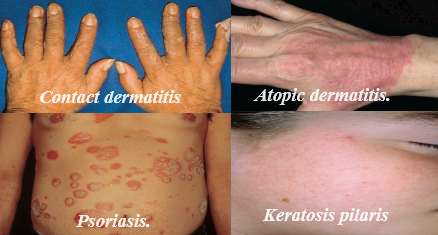
Symptom And Treatment Guide for Specific Photoaging Conditions The following is a quick reference guide to examples of which treatments and products are more appropriate for specific photoaging symptoms. Each client’s skin, of course, is different and may require a combination of the products and treatment modalities. Wrinkles, Rough Textures Alpha hydroxy acid in the…
-
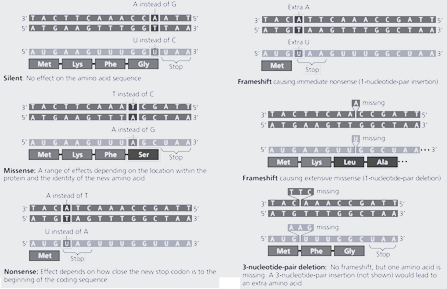
Enlighten Biology Note on Mutations and Its Effects on Organisms
Mutations and Its Effects on Organisms Gene mutations (when DNA goes wrong) A mutation is a change in the sequence of bases in DNA. Protein synthesis can be disrupted if the mutation occurs within a gene. The change in sequence is caused by the substitution, deletion, or insertion of one or more nucleotides (or base…
-
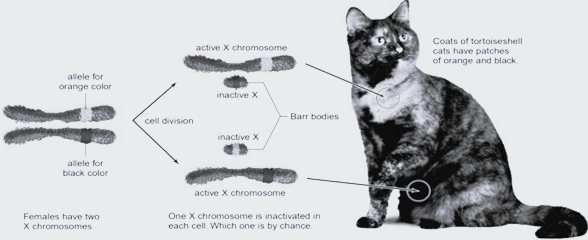
Enlighten Biology Note on Control of Gene Expression.
Gene regulation Enzymes which are necessary for reactions present in metabolic pathways like respiration are constantly required, and the genes that code for these are called housekeeping genes. Protein-based hormones (required for the growth and development of an organism or enzymes) are only required by certain cells at certain times to carry out a short-lived…
-
Enlighten Biology Note on Using DNA Sequencing.
Enlighten Biology Note on Using DNA Sequencing. The development of DNA profiling and DNA sequencing has led to the development of new areas of bioscience that help us analyze, understand, and make use of all the data generated. Computational biology and bioinformatics People often use the terms computational biology and bioinformatics interchangeably. They describe different…
Search the Archives

Stay Connected
Categories
Academic Agricultural Biology JHS NEWS NSMQ NURSE Personal Growth and Development SHS Skin Care Social Uncategorized
You May Have Missed