Tag: science(biology)
-

Suffer no more; Menstrual cramps and fatigue
Suffer no more; Menstrual cramps and fatigue To reduce the intensity of menstrual symptoms, you can change your diet: Less sugar, and slightly more protein. Diuretic foods such as eggplant, cucumbers, and parsley can help diminish water retention. Calcium supplements (1 gram per day) and magnesium (500 milligrams) can help reduce anxiety (always take both).…
-
Do you know, there is plant for each type of stomach problem?
Do you know, there is plant for each type of stomach problem? Aigremoine (Lithospermum ruderale) It is useful when the stomach problem is accompanied by enteritis, diarrhoea, and/or chronic liver infection. It also helps tone a lazy digestive system. And it also helps regularize acidity and soothe ulcers by improving metabolism. The leaves are taken as…
-
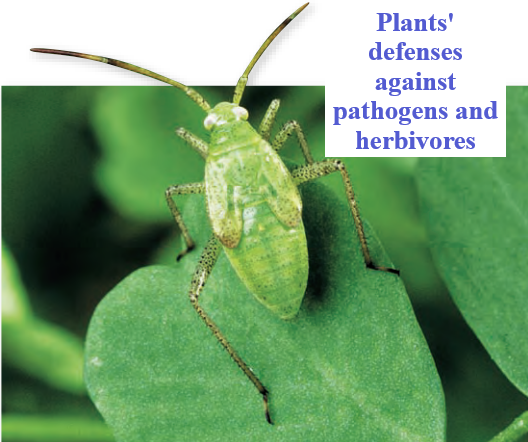
How Plants Defend Themselves Against Pathogens and Herbivores.
Introduction Plants cannot run away from danger. Instead, they have to stand and fight. Like humans and other animals, plants are constantly threatened by an array of disease-causing viruses, bacteria, and parasitic fungi. In addition, plant roots are susceptible to attacks by nematodes and soil-dwelling roundworms. Disease-causing agents are termed pathogens. If plants were not…
-
The Reaction Result From Mismatched Blood Transfusions.
The Reaction Result From Mismatched Blood Transfusions. A person’s blood type is determined by certain antigens found on the red blood cell surface. These antigens are clinically important because they must be matched between donor and recipient during a blood transfusion. ABO groups The protein–sugar complex on the surface of the red blood cells acts…
-
How Pathogens are eliminated from the body and Why the Immune System Reject Foreign Tissues and Organs?
How Pathogens are eliminated from the body and Why the Immune System Reject Foreign Tissues and Organs? Introduction In combination with the leukocytes involved in the innate immune system, the cells of the adaptive immune system are almost always successful in eliminating threats from bacteria, parasites, fungi, and viruses. The many different mechanisms used by…
-
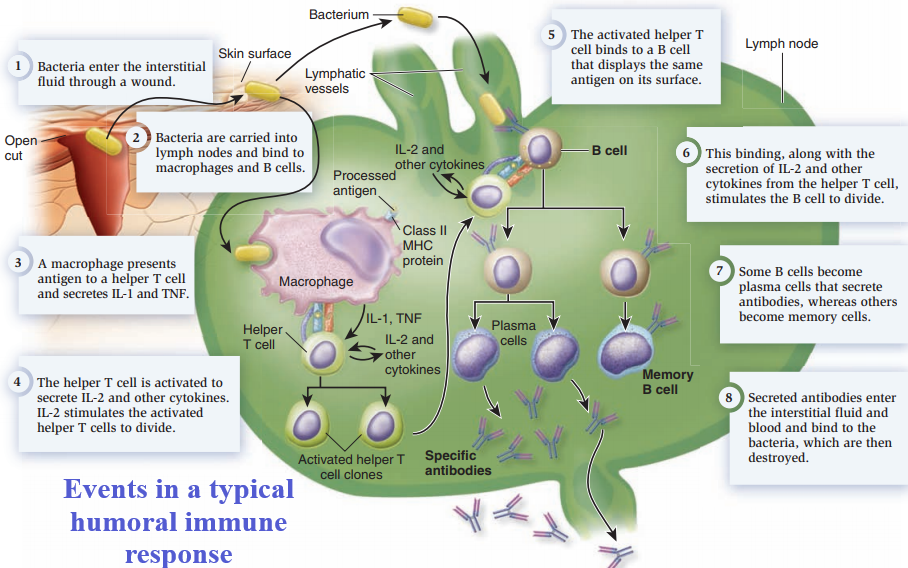
Adaptive Immunity/Specific Defenses/Acquired Immunity.
Adaptive Immunity/Specific Defenses/Acquired Immunity. Adaptive immunity Adaptive immunity is a vertebrate-specific defense mechanism that recognizes specific molecules as being foreign and clears those molecules from the body. The foreign molecules recognized may be free, as in the case of toxins, or they may be on the surface of viruses or cells such as pathogenic bacteria,…
-
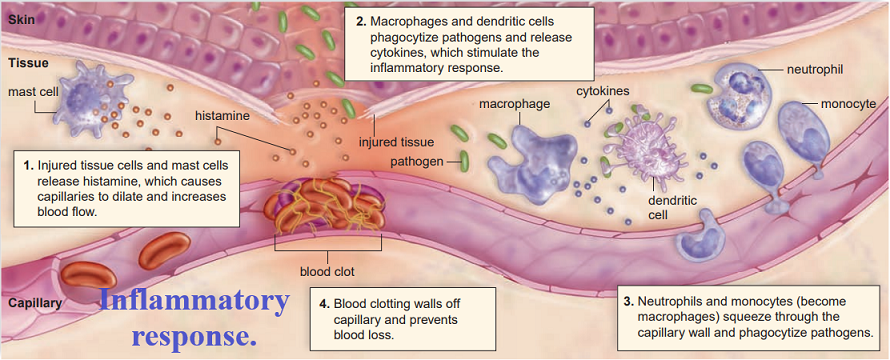
Enlighten Knowledge Note; The Immune System (Innate Immunity/Nonspecific defenses)
Introduction: The body’s defense makes up the immune system, which enables an animal to avoid or limit many infections. The first lines of defense offered by immune systems help prevent pathogens from gaining entrance to the body. For example; An outer covering, such as skin or a shell, blocks entry by many pathogens. Sealing off…
-
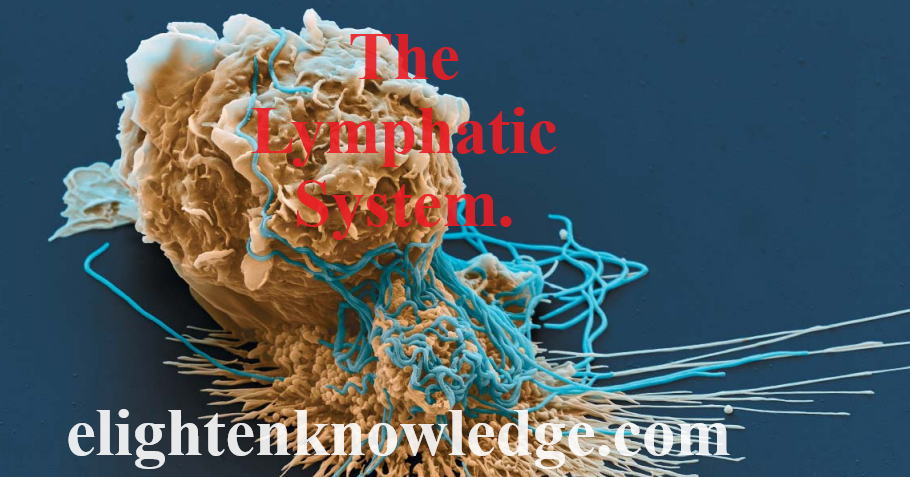
Enlighten Knowledge note; The Lymphatic System.
The Lymphatic System. The lymphatic system, which is closely associated with the cardiovascular system, has four main functions that contribute to homeostasis: Lymphatic capillaries absorb excess tissue fluid and return it to the bloodstream. In the small intestines, lymphatic capillaries called lacteals absorb fats in the form of lipoproteins and transport them to the bloodstream.…
-
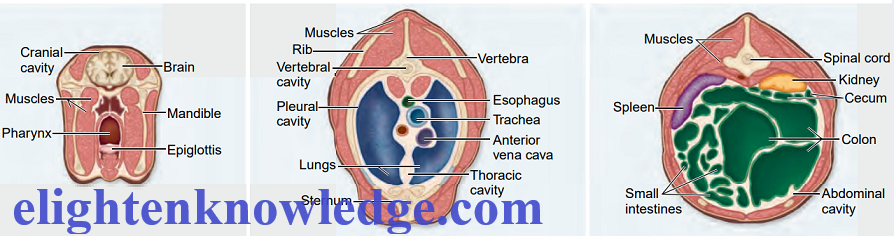
Animal Tissues; Types and Their Functions.
Animal Tissues; Types and Their Functions. Cells form a working animal body through their emergent properties, which arise from successive levels of structural and functional organization. Cells are organized into tissues, groups of cells with a similar appearance and a common function. Different types of tissues are further organized into functional units called organs. (The…
-
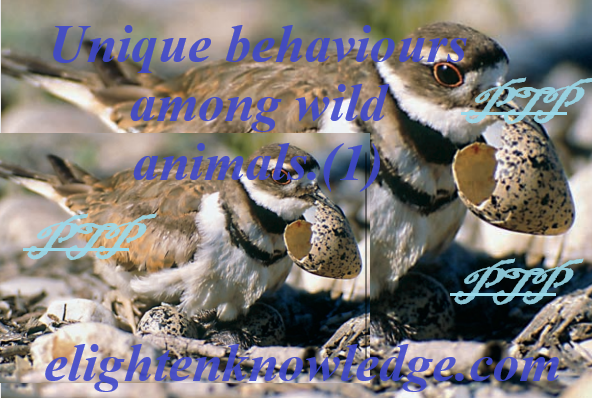
Unique behaviours among wild animals.(1)
Unique behaviours among wild animals. Nest building behavior in lovebirds. Lovebirds are small, green, and pink African parrots that nest in tree hollows. There are several closely related species of lovebirds in the genus Agapornis that build their nests differently. Fischer lovebirds cut large leaves (or in the laboratory, pieces of paper) into long strips…
-
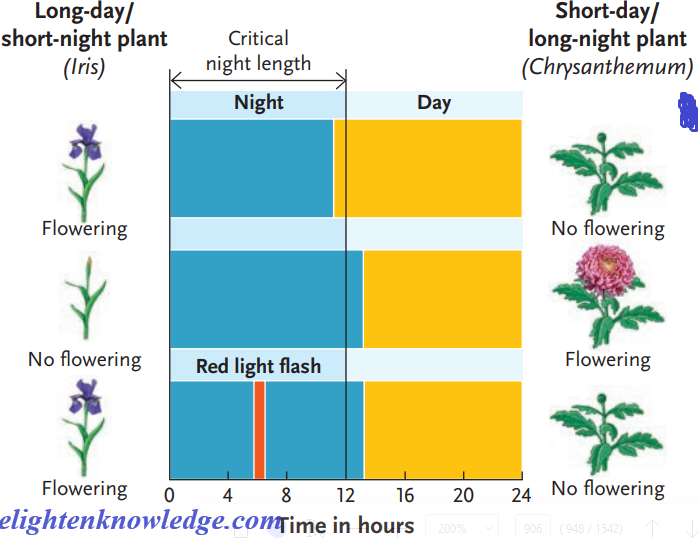
Enlighten Knowledge Note on Plants Movement and Biological clock in Plants.
Introduction All organisms sense and interact with their environments. This is particularly true of plants. Plant survival and growth are critically influenced by abiotic factors, including water, wind, and light. The effect of the environment on plant growth also accounts for much of the variation in adult form within a species. Although responses can be…
-
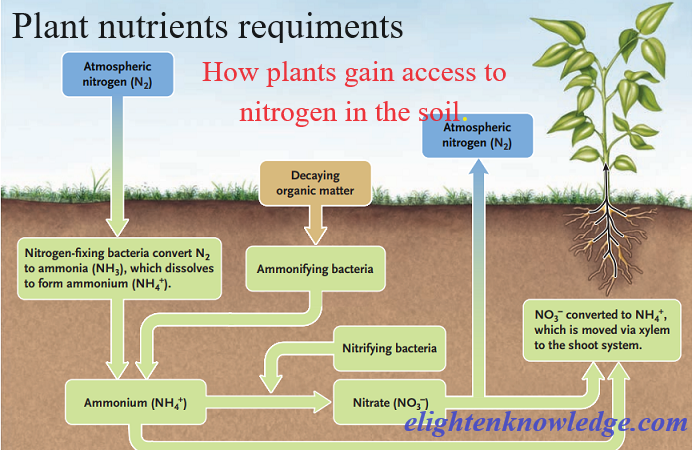
Plant Nutritional Requirement Note; Elective biology for SHS.
Plant nutritional requirement Introduction. Plants are unique organisms that can absorb nutrients and water through their root system and carbon dioxide from the atmosphere. Soil quality and climate are the major determinants of plant distribution and growth. The combination of soil nutrients, water, carbon dioxide, and sunlight allow plants to grow. The majority of volume…
-
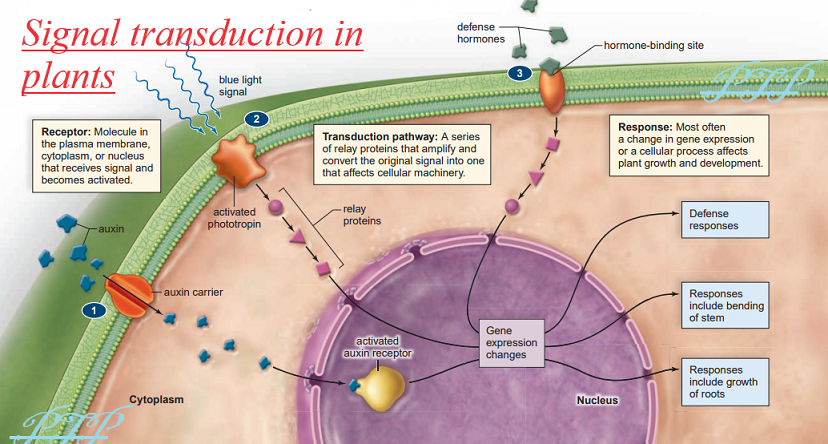
Simplified and Concise Note on Plant Hormones (elective biology)for SHS.
Simplified and concise note on Plant Hormones Introduction Flowering plants perceive and react to a variety of environmental stimuli. Examples include light, gravity, carbon dioxide levels, pathogen infection, drought, and touch. Responses can be short-term, as when stomata open and close in response to light levels. Or long-term, as when they respond to gravity by…
-
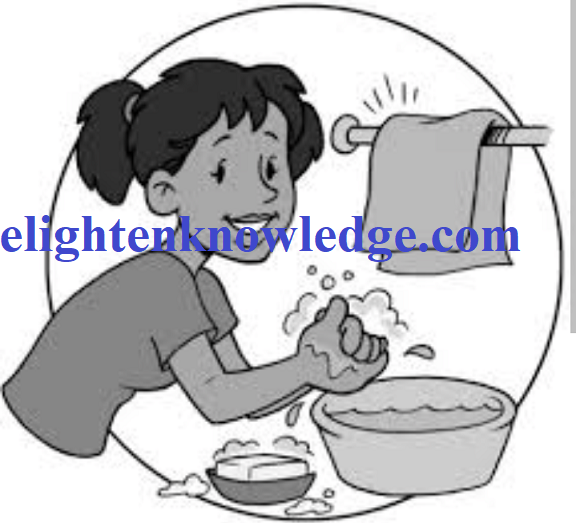
Traditional/Indigenous Way of Soap Production.
Traditional/Indigenous Way of Soap Production. Content: Introduction Scientific principles involved in soap production. The steps involved in traditional soap is production Ways of improving the quality of traditional (local) soap The by-product of soap production. Effects of excess alkali in soap production Main stages in the modern manufacture of soap Similarities between indigenous and modern…
-
How to Can Your Food At Home.
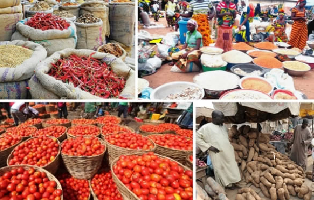
The Principles of Canning The purpose of canning is to destroy the causes of food spoilage. Food is made to spoil by tiny organisms called molds, yeasts, and bacteria. It may also spoil because of enzymes. The canner must understand how these spoilers work in order to can food properly. Enzymes, Yeasts, and Molds. Enzymes…
-
Root structure and modification, elective biology note for SHS.
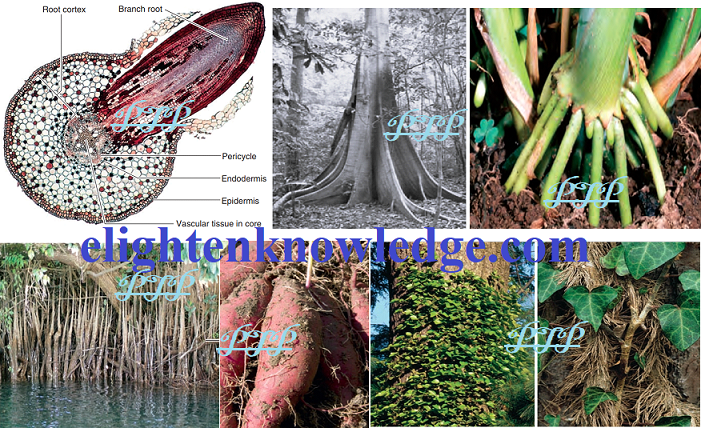
Root structure and modification ROOT SYSTEM: The root system anchors the plant in the soil. It absorbs water and ions from the soil. Also, conducts water and selected ions to the shoot. And obtains energy in the form of sugar from the shoot. Stores material produced in the shoot for later use. http:// Most plants have…
-
Why some gari are white and others are pale-yellow?
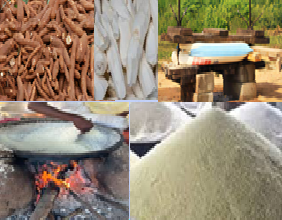
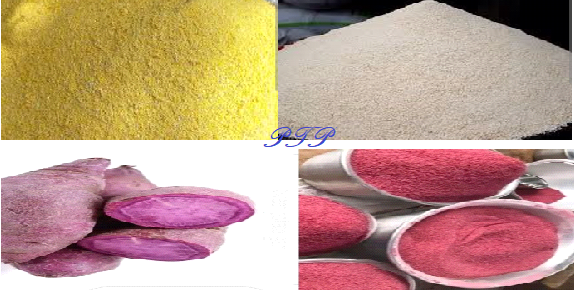
Why some gari are white and others are pale-yellow? Gari is one of the foods consumed by many and a lot of people cannot do without it. It has saved a lot of families from hunger. It contains mainly carbohydrates (starch). Gari can be eaten raw, It can also be eaten with beans popularly known…
-
Leaf structure, description, and modifications.
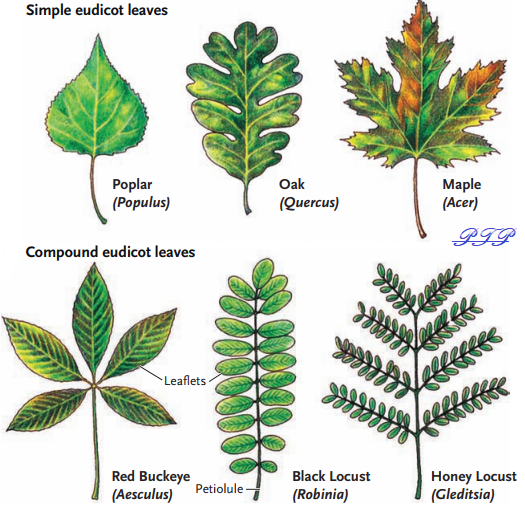
Leaf structure, description, and modifications. Leaves, which are initiated as primordia by the apical meristems, are vital to life as we know it because they are the principal sites of photosynthesis on land, providing the base of the food chain. Leaves expand by cell enlargement and cell division at the apical meristem. Most leaves are…
-
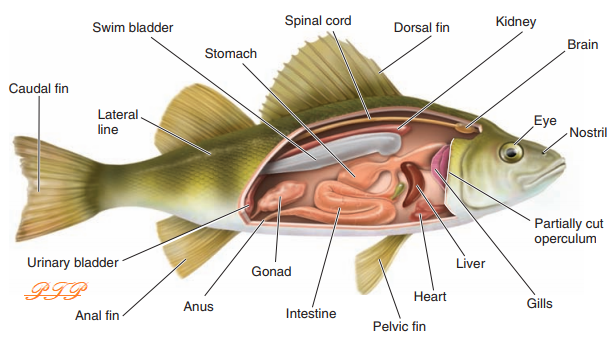
Life process of bony fish (Osteichthyes “Tilapia”), SHS elective biology.
Life process of bony fish (Osteichthyes “Tilapia”) Tilapia is a common freshwater bony fish found in lakes and rivers and brackish (slightly salty) water lagoons. Tilapia is poikilothermic (cold-blooded), that is the body temperature varies with the temperature of its surrounding. http:// Scientific classification. Phylum Chordata Reason; They possess pharyngeal silts. A hollow nerve cord…
-
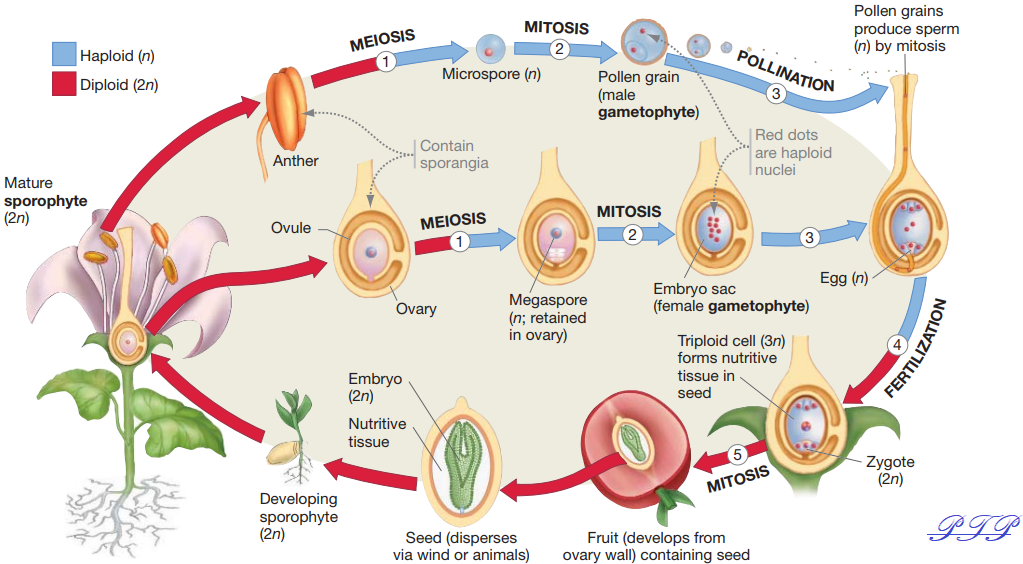
Reproduction in Angiosperms.
Reproduction in angiosperms. What is a flower? A flower is the sexual reproductive part of a flowering plant or angiosperm. It contains the sex organs (ovary and anther) of the plant. A fertilized flower (ovule) develops into fruits that may contain a seed or seeds. Describe the four floral parts of a flower. Corolla: It…
Search the Archives

Stay Connected
Categories
Academic Agricultural Biology JHS NEWS NSMQ NURSE Personal Growth and Development SHS Skin Care Social Uncategorized
You May Have Missed