Tag: science(biology)
-

Sample preparation to be observed under the light microscope.
Sample preparation to be observed under the light microscope. Content: Dry mount Wet mount Squash slides Smear slides Using staining Differentiation staining Gram staining techniques (gram positive and gram negative) Acid-fast technique General stages involved in the preparation of slides: Risk management There are a number of different ways in which samples and specimens can…
-

Everything you need to know about pneumonia in children
Everything you need to know about pneumonia in children Childhood pneumonia is a respiratory infection that affects the lungs of children, causing inflammation and difficulty in breathing. It is caused by a variety of bacteria, viruses, and other microorganisms which can be easily transmitted through coughing or sneezing. Pneumonia kills more children than any other…
-
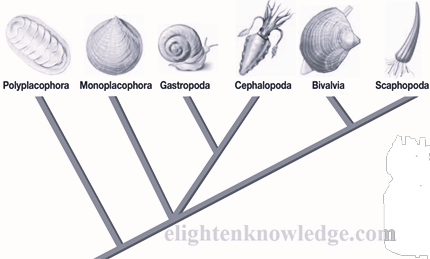
PHYLUM MOLLUSCA; General Characteristics and Classes.
PHYLUM MOLLUSCA; General Characteristics and Classes. Introduction Mollusca is the largest lophotrochozoan phylum and one of the largest and most diverse of all phyla. Molluscs range in size from microscopic organisms to the largest of invertebrates. Most molluscs are marine, but some are freshwater, and a few are terrestrial. They occupy a wide variety of…
-

Insomnia, What is it about?
Insomnia, What is it about? Insomnia is one of the most persistent and depressing symptoms of psychasthenia. Patients suffer through sleepless nights, followed by bad days, and are so tired they don’t have the courage or will to react to their constant fatigue gives them an excuse to succumb to their illness. They place so…
-

Multiple Choice Questions on Humans Ecology and Health with Answers. (2)
Multiple Choice Questions on Humans Ecology and Health with Answers. (1) Questions 1. Renewable resources comprise A. organisms that are constantly reproducing B. plants and animals in the forest only C. plants and animals that can reproduce sexually D. all animals that can reproduce. 2. Renewable resources are formed by A. animals that reproduce sexually…
-

Multiple Choice Questions on Humans Ecology and Health with Answers. (1)
Questions 1. Which of the following roles is not performed by a government agency responsible for forest maintenance? A. Regulating mining activities in the forest. B. Tracking the movement of timber, wood and wildlife. C. Creating, protecting and managing forest reserves. D. Regulating the harvest of timber and poaching. 2. Harmful organisms spread easily because…
-
How Organisms Detect and React to Changes in Temperature and Pain
How Organisms Detect and React to Changes in Temperature and Pain How organisms react and detect temperature changes. Thermoreceptors are regarded as nonspecialized sensory receptors (free nerve endings) that respond to changes in temperature. There are two types, warm and cold receptors. Invertebrates such as fleas and mosquitoes employ thermoreceptors to find their endothermic (“warm-blooded”)…
-
The Science and Principle of Taste, Smell, and pH
The Science and Principle of Taste, Smell, and pH Some sensory cells, called chemoreceptors, contain membrane proteins that can bind to particular chemicals or ligands in the extracellular fluid. In response to this chemical interaction, the membrane of the sensory neuron becomes depolarized and produces action potentials. Chemoreceptors are used in the senses of taste…
-
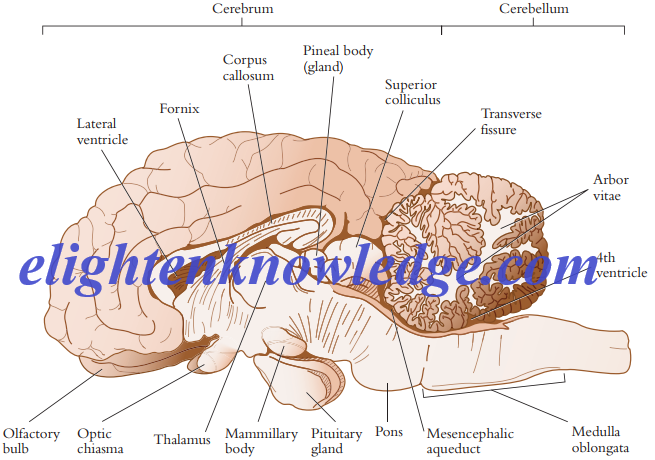
Memory and Learning. Mechanism of Alzheimer’s Disease Still a Mystery?
Memory and Learning. Mechanism of Alzheimer’s Disease Still a Mystery? Memory and Learning One of the great mysteries of the brain is the basis of memory and learning. There is no one part of the brain in which all aspects of memory appear to reside. Specific cortical sites cannot be identified for particular memories because…
-
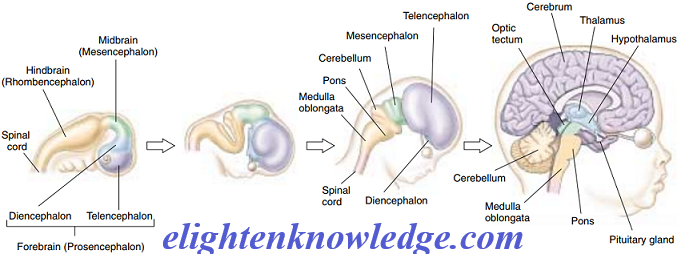
Mechanism of Sleep and Language and Spatial Recognition.
Mechanism of Sleep and Language and Spatial Recognition. Arousal and Sleep. The brain stem contains a diffuse collection of neurons referred to as the reticular formation. One part of this formation, the reticular activating system, controls consciousness and alertness. All of the sensory pathways feed into this system, which monitors the information coming into the…
-
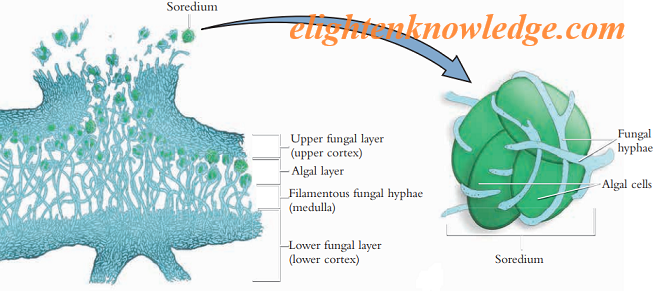
Possible Essay/Subjective Questions on Kingdom Fungi
Possible Essay/Subjective Questions on Kingdom Fungi How do animals and fungi differ concerning heterotrophy? Animals are heterotrophs by ingestion, and fungi are heterotrophs by absorption. How are fungal cell walls different from plant cell walls? Fungal cell walls contain chitin, and those of plants contain cellulose. Describe the function of a fungal spore. A fungal…
-
THE PRINCIPLE OF DISINFECTION
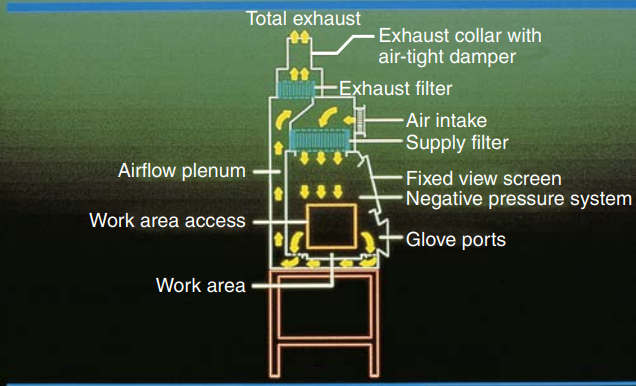
THE PRINCIPLE OF DISINFECTION Disinfection is the second critical step in reprocessing devices. To be effective, disinfection must be preceded by thorough cleaning and must be done properly. Staff members must check the disinfectant’s concentration regularly if it is diluted at the place of use, even if it is diluted with an electronically monitored dilution…
-
THE SCIENCE AND PRINCIPLE OF AGING
THE SCIENCE AND PRINCIPLE OF AGING Content: Understanding the science behind aging. Lifespan Versus Longevity Aging & Mortality Wear & Tear Theories of Aging Aging As a Preprogrammed Process Metabolic Theories of Aging: “The Brighter the Candle, the Quicker It Burns” Things to note; Why Would Evolution Select for Limited Lifespans? Understanding the science behind…
-
General Principles of Sterilization
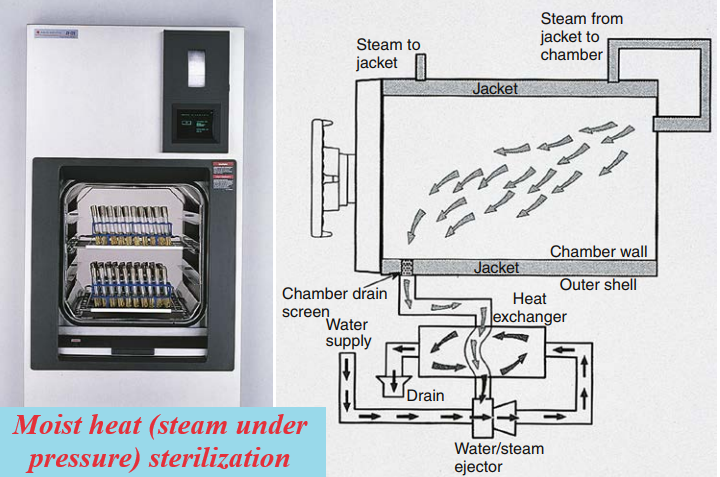
General Principles of Sterilization Sterilization is a process that kills all forms of microbial life, including bacterial endospores. Many factors limit the success or degree of sterilization such as Organic load (organisms and other contaminating materials such as blood or body fluids), The type of organisms present, The concentration and exposure time to the germicide,…
-
The Science and Art of Making Vaccines
The Science and Art of Making Vaccines Why Vaccination? The goal of vaccination is to trigger an immune response more rapidly and with less harm than a natural infection. Following an initial encounter with a pathogen, memory immune cells are established; re-exposure to the same pathogen reawakens these memory cells to control the infection and…
-
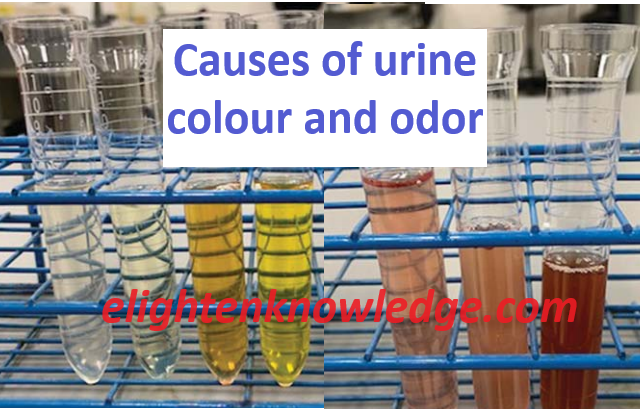
Why Does Urine Comes With Varieties of Colour and Odor?
Why does urine comes with varieties of Colour and Odor? The colour of urine varies from almost colourless to black. These variations may be due to normal metabolic functions, physical activity, ingested materials, or pathological conditions. A noticeable change in urine colour is often the reason that a patient seeks medical advice; then it becomes…
-
Vegetative Propagation (Reproduction) of Plants.
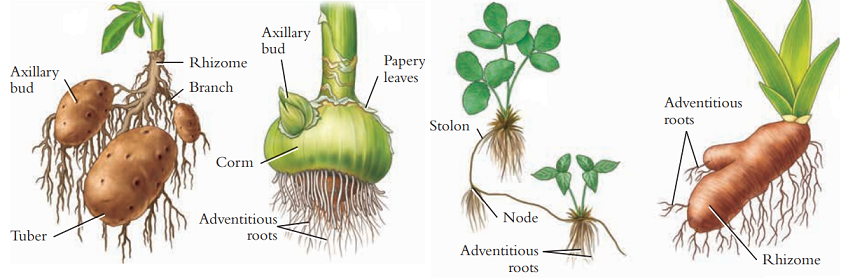
Vegetative Propagation (Reproduction) of Plants. Vegetative reproduction is the use of the vegetative part of a parent plant to produce a new plant. It is also referred to as artificial vegetative propagation. These vegetative parts are mainly the stem, the root, and the leaf. Methods of vegetative reproduction The use of specialized vegetative plant organs.…
-
Divisions and Classes of Kingdom Plantae.
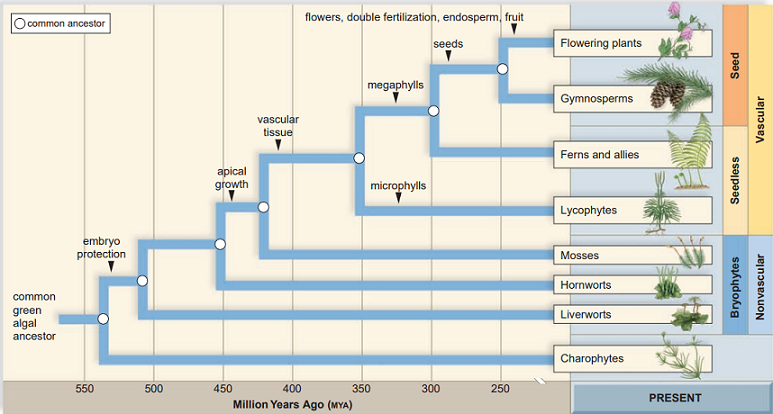
Divisions and Classes of Kingdom Plantae. Land plants evolved from a common ancestor with multicellular, freshwater green algae about 450 MYA. During the evolution of plants, protecting the embryo, apical growth, vascular tissue for transporting water and organic nutrients, possession of megaphylls, using seeds to disperse offspring, and having flowers were all adaptations to a…
-
Sample Subjective Questions on Viruses, Bacteria, and Archaea.
Sample Subjective Questions on Viruses, Bacteria, and Archaea. What are the two components shared by all viruses? All viruses have; a nucleic acid. and a capsid. Viruses are generally considered to be non-living. Should Viroids and prions also be viewed as non-living? Why or why not? Viroids and prions are non-living because, like viruses, they…
-
Know more about your enemy; VIRUS
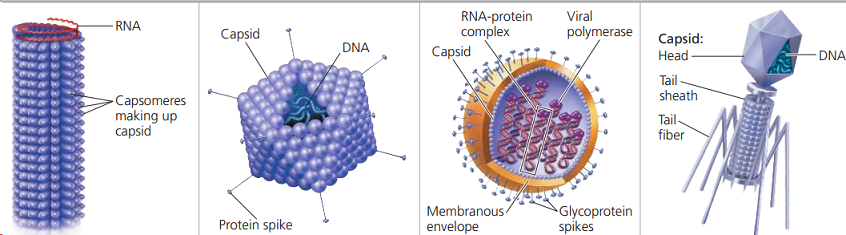
Viral Evolution, Morphology, and Classification Viruses are tiny, acellular entities that can usually only be seen with an electron microscope. Their genomes contain either DNA or RNA (never both) They replicate using the replication proteins of a host cell. Viruses are diverse, infecting archaea, bacteria, fungi, plants, and animals. Viruses consist of a nucleic acid…
Search the Archives

Stay Connected
Categories
Academic Agricultural Biology JHS NEWS NSMQ NURSE Personal Growth and Development SHS Skin Care Social Uncategorized
You May Have Missed