Category: SHS
-
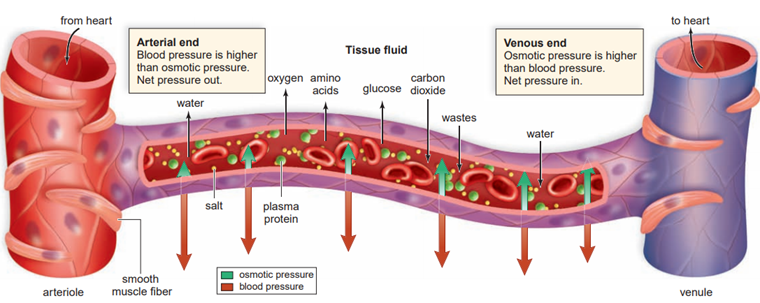
The roles of parathyroid hormone (PTH) in regulating the blood calcium level in mammals.
The roles of parathyroid hormone (PTH) in regulating the blood calcium level in mammals. Control of blood calcium Because calcium ions (Ca2+) are essential to the normal functioning of all cells, homeostatic control of the level of calcium in the blood is vital. If the blood Ca2+ level falls substantially, skeletal muscles contract convulsively, a…
-
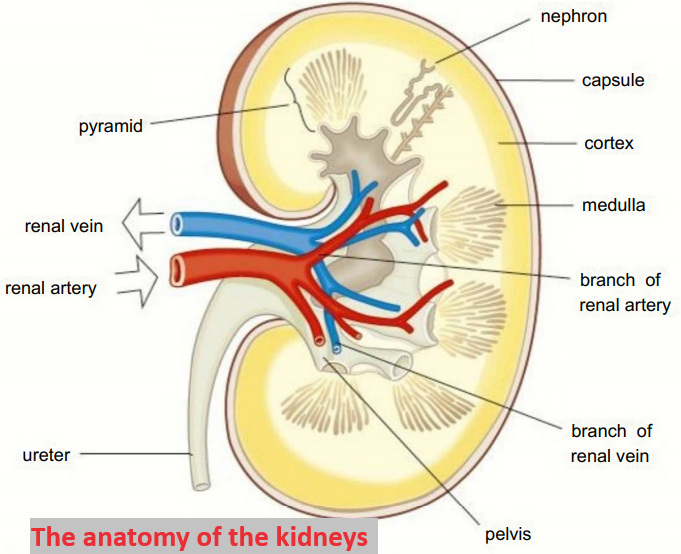
How to Detect Kidney Failure, Causes, And Effects
How to Detect Kidney Failure, Causes, And Effects Content: Causes and effects of kidney failure Measuring glomerular filtration rate (GFR) Treating kidney failure with dialysis Haemodialysis Peritoneal dialysis. Treating kidney failure by transplant Dialysis or transplant? The kidneys play a vital role in homeostasis. If they are damaged and become less efficient or stop working,…
-
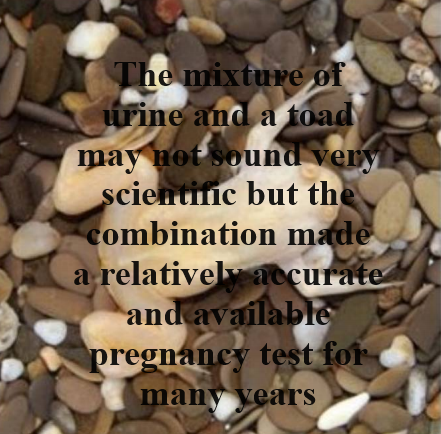
Urine sample and diagnosis
Urine sample and diagnosis. For many centuries people have used urine to try’ and diagnose diseases by looking at the colour, the smell, and even the taste of it. It is still a useful diagnostic tool, although our methods of analysis are more sophisticated. Also Read: Why does urine comes with varieties of Colour and…
-
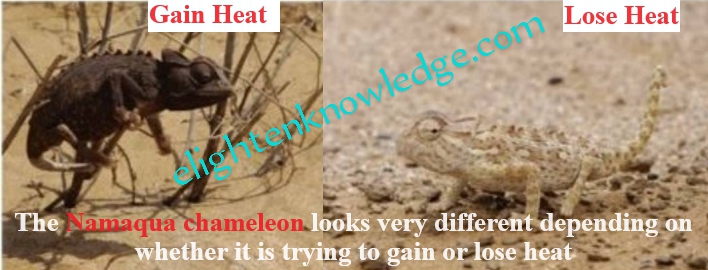
Understanding the Principle of Homeostasis and Thermoregulation.
Understanding the Principle of Homeostasis and Thermoregulation. Content: The principles of homeostasis Receptors and effectors Feedback systems Negative feedback systems Positive feedback systems Thermoregulation Classification of animals based on thermoregulation Endotherms Ectotherms How ectotherms and endotherms maintain and control their body temperature. Temperature regulation in ectotherms Physiological responses to warming Detecting temperature changes in endotherms…
-
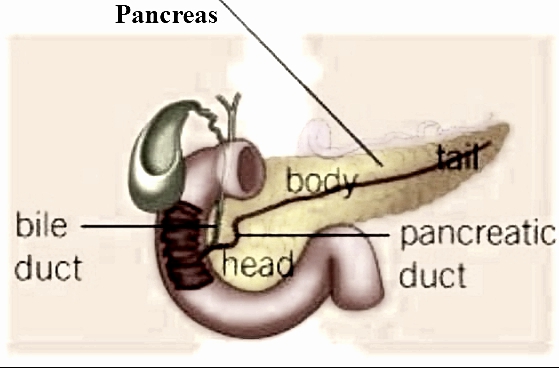
Regulation of Blood Glucose Concentration, Diabetes and its Control.
Regulation of Blood Glucose Concentration, Diabetes and its Control. Content: Increasing and decreasing blood glucose concentration Role of insulin blood glucose concentration Role of glucagon blood glucose concentration Mechanism of controlling insulin secretion Islets of Langerhans in the pancreas Diabetes Treatment and Control. Common symptoms of diabetes Types of diabetes (type 1 and type 2…
-
How to Store/preserve Microorganisms Such as Bacteria, Fungi, Protozoans and Virus.
How to Store/preserve Microorganisms Such as Bacteria, Fungi, Protozoans and Virus. These are some simple and broadly applied methods are necessary to maintain organisms (bacteria, protozoa, fungi, and viruses) for short and long-term recovery. Short-Term Preservation Methods Direct Transfer to Subculture. The simplest method for maintaining the short-term viability of microorganisms, most often used for…
-
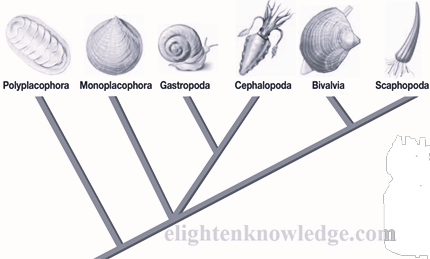
PHYLUM MOLLUSCA; General Characteristics and Classes.
PHYLUM MOLLUSCA; General Characteristics and Classes. Introduction Mollusca is the largest lophotrochozoan phylum and one of the largest and most diverse of all phyla. Molluscs range in size from microscopic organisms to the largest of invertebrates. Most molluscs are marine, but some are freshwater, and a few are terrestrial. They occupy a wide variety of…
-
2023 WASSCE BIOLOGY PAPER 2 QUESTIONS AND ANSWERS.
2023 WASSCE BIOLOGY PAPER 2 QUESTIONS AND ANSWERS. 1. a. Explain briefly the following terms i. Taxonomy Taxonomy is a branch of biology, which involves a systemic classification of living things, into groups based on their similarities, forms, characteristics, genetics, and cellular organisation. ii. Binomial nomenclature Binomial nomenclature I the scientific method of naming organism,…
-
Biological Practical section Five (5). On Tadpole
Specimen: TADPOLE. State four observable features on the ventral part of the tadpole. Remains of sucker Presence of limb bud Presence of tail fin Also, tail muscle is present. Anus Long coiled intestine. Give the diet of the specimen with reasons The diet of the specimen is Vegetation (phytoplankton)/pond weeds. Reasons Presence of horny jaws…
-
How Organisms Detect and React to Changes in Temperature and Pain
How Organisms Detect and React to Changes in Temperature and Pain How organisms react and detect temperature changes. Thermoreceptors are regarded as nonspecialized sensory receptors (free nerve endings) that respond to changes in temperature. There are two types, warm and cold receptors. Invertebrates such as fleas and mosquitoes employ thermoreceptors to find their endothermic (“warm-blooded”)…
-
The Science and Principle of Taste, Smell, and pH
The Science and Principle of Taste, Smell, and pH Some sensory cells, called chemoreceptors, contain membrane proteins that can bind to particular chemicals or ligands in the extracellular fluid. In response to this chemical interaction, the membrane of the sensory neuron becomes depolarized and produces action potentials. Chemoreceptors are used in the senses of taste…
-
Mechanism of Sleep and Language and Spatial Recognition.
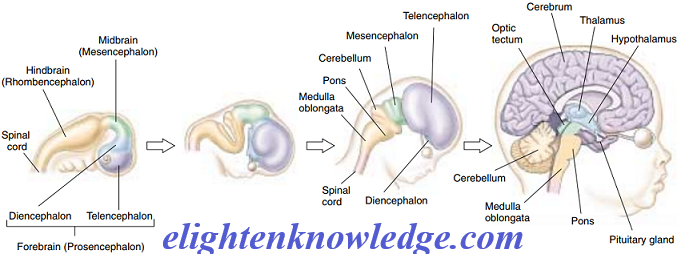
Mechanism of Sleep and Language and Spatial Recognition. Arousal and Sleep. The brain stem contains a diffuse collection of neurons referred to as the reticular formation. One part of this formation, the reticular activating system, controls consciousness and alertness. All of the sensory pathways feed into this system, which monitors the information coming into the…
-
Possible Essay/Subjective Questions on Kingdom Fungi
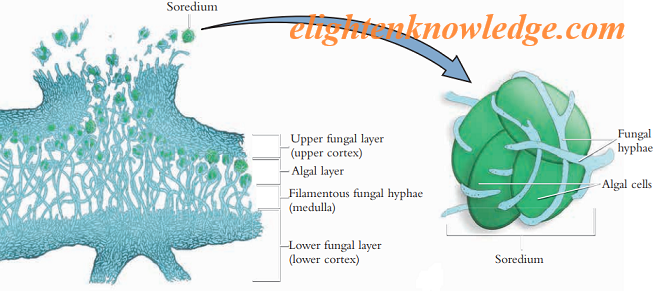
Possible Essay/Subjective Questions on Kingdom Fungi How do animals and fungi differ concerning heterotrophy? Animals are heterotrophs by ingestion, and fungi are heterotrophs by absorption. How are fungal cell walls different from plant cell walls? Fungal cell walls contain chitin, and those of plants contain cellulose. Describe the function of a fungal spore. A fungal…
-
THE PRINCIPLE OF DISINFECTION
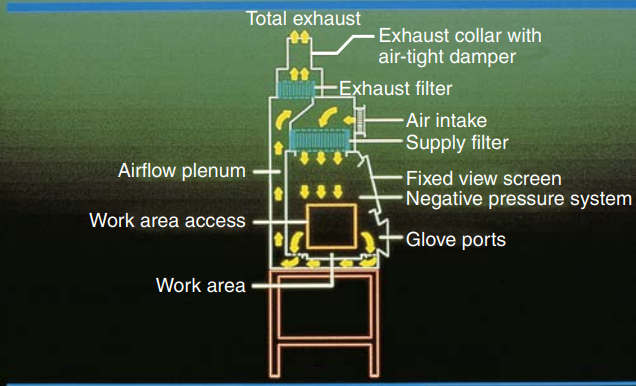
THE PRINCIPLE OF DISINFECTION Disinfection is the second critical step in reprocessing devices. To be effective, disinfection must be preceded by thorough cleaning and must be done properly. Staff members must check the disinfectant’s concentration regularly if it is diluted at the place of use, even if it is diluted with an electronically monitored dilution…
-
THE SCIENCE AND PRINCIPLE OF AGING
THE SCIENCE AND PRINCIPLE OF AGING Content: Understanding the science behind aging. Lifespan Versus Longevity Aging & Mortality Wear & Tear Theories of Aging Aging As a Preprogrammed Process Metabolic Theories of Aging: “The Brighter the Candle, the Quicker It Burns” Things to note; Why Would Evolution Select for Limited Lifespans? Understanding the science behind…
-
General Principles of Sterilization
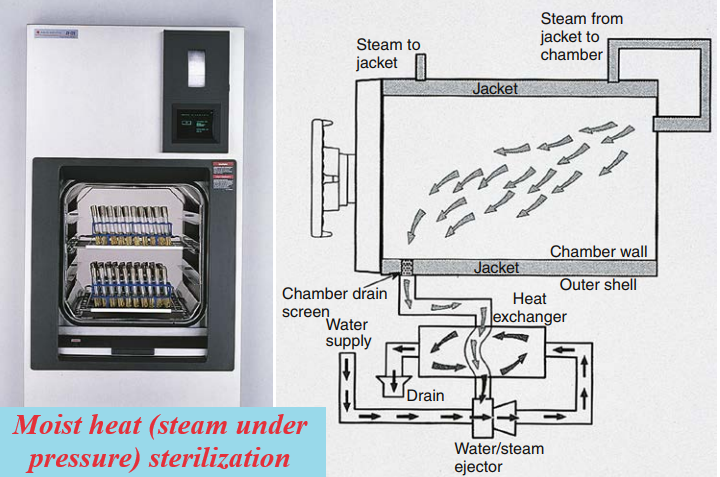
General Principles of Sterilization Sterilization is a process that kills all forms of microbial life, including bacterial endospores. Many factors limit the success or degree of sterilization such as Organic load (organisms and other contaminating materials such as blood or body fluids), The type of organisms present, The concentration and exposure time to the germicide,…
-
The Science and Art of Making Vaccines
The Science and Art of Making Vaccines Why Vaccination? The goal of vaccination is to trigger an immune response more rapidly and with less harm than a natural infection. Following an initial encounter with a pathogen, memory immune cells are established; re-exposure to the same pathogen reawakens these memory cells to control the infection and…
-
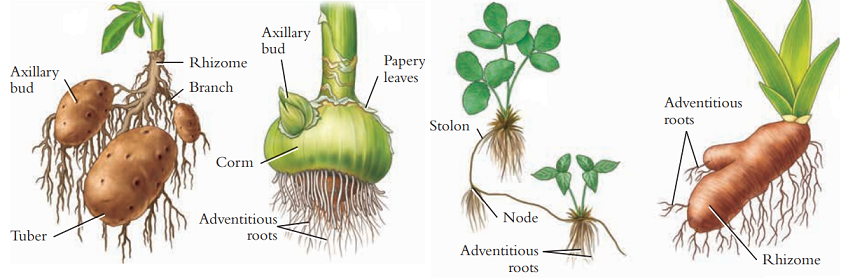
Vegetative Propagation (Reproduction) of Plants.
Vegetative Propagation (Reproduction) of Plants. Vegetative reproduction is the use of the vegetative part of a parent plant to produce a new plant. It is also referred to as artificial vegetative propagation. These vegetative parts are mainly the stem, the root, and the leaf. Methods of vegetative reproduction The use of specialized vegetative plant organs.…
-
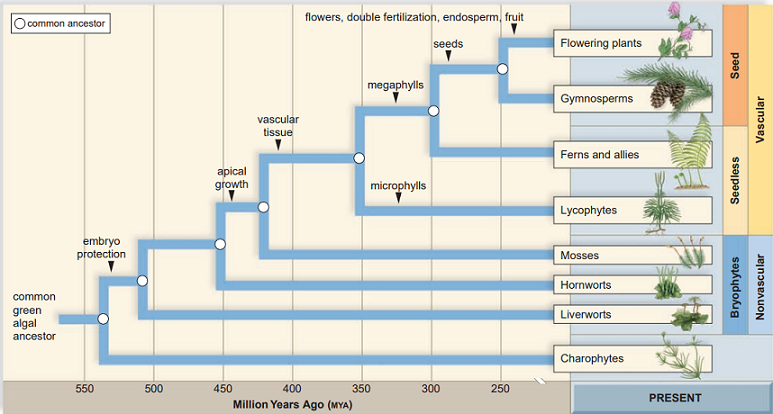
Divisions and Classes of Kingdom Plantae.
Divisions and Classes of Kingdom Plantae. Land plants evolved from a common ancestor with multicellular, freshwater green algae about 450 MYA. During the evolution of plants, protecting the embryo, apical growth, vascular tissue for transporting water and organic nutrients, possession of megaphylls, using seeds to disperse offspring, and having flowers were all adaptations to a…
-
Sample Subjective Questions on Viruses, Bacteria, and Archaea.
Sample Subjective Questions on Viruses, Bacteria, and Archaea. What are the two components shared by all viruses? All viruses have; a nucleic acid. and a capsid. Viruses are generally considered to be non-living. Should Viroids and prions also be viewed as non-living? Why or why not? Viroids and prions are non-living because, like viruses, they…
Search the Archives

Stay Connected
Categories
Academic Agricultural Biology JHS NEWS NSMQ NURSE Personal Growth and Development SHS Skin Care Social Uncategorized
You May Have Missed