Tag: plant physiology
-
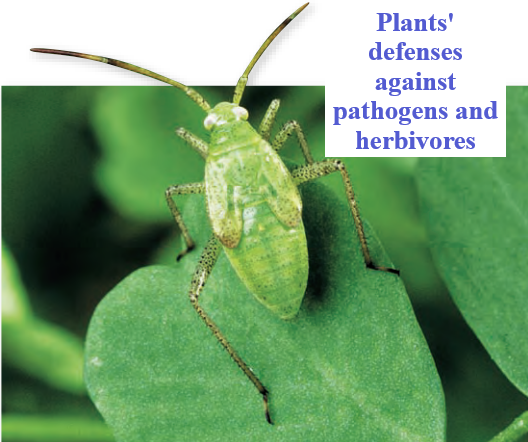
How Plants Defend Themselves Against Pathogens and Herbivores.
Introduction Plants cannot run away from danger. Instead, they have to stand and fight. Like humans and other animals, plants are constantly threatened by an array of disease-causing viruses, bacteria, and parasitic fungi. In addition, plant roots are susceptible to attacks by nematodes and soil-dwelling roundworms. Disease-causing agents are termed pathogens. If plants were not…
-
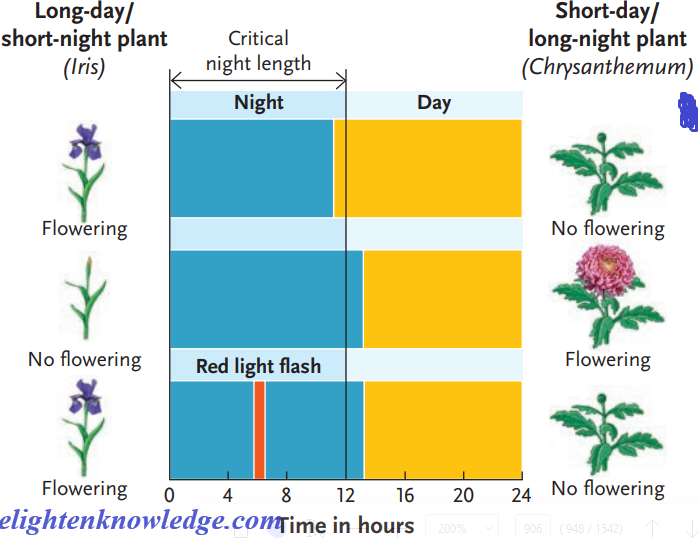
Enlighten Knowledge Note on Plants Movement and Biological clock in Plants.
Introduction All organisms sense and interact with their environments. This is particularly true of plants. Plant survival and growth are critically influenced by abiotic factors, including water, wind, and light. The effect of the environment on plant growth also accounts for much of the variation in adult form within a species. Although responses can be…
-
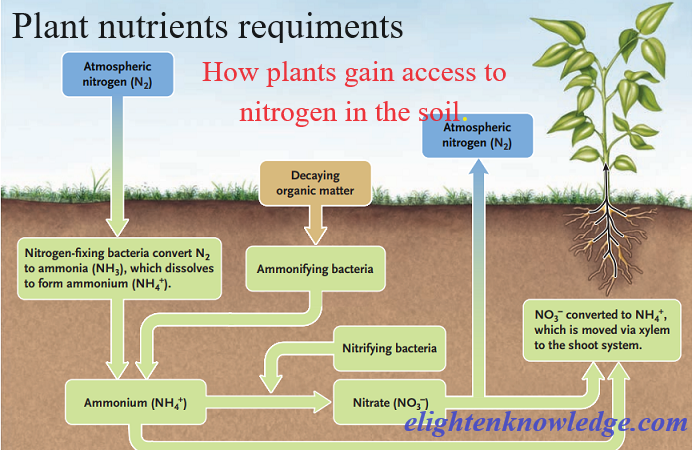
Plant Nutritional Requirement Note; Elective biology for SHS.
Plant nutritional requirement Introduction. Plants are unique organisms that can absorb nutrients and water through their root system and carbon dioxide from the atmosphere. Soil quality and climate are the major determinants of plant distribution and growth. The combination of soil nutrients, water, carbon dioxide, and sunlight allow plants to grow. The majority of volume…
-
Simplified and Concise Note on Plant Hormones (elective biology)for SHS.
Simplified and concise note on Plant Hormones Introduction Flowering plants perceive and react to a variety of environmental stimuli. Examples include light, gravity, carbon dioxide levels, pathogen infection, drought, and touch. Responses can be short-term, as when stomata open and close in response to light levels. Or long-term, as when they respond to gravity by…
Search the Archives

Stay Connected
Categories
Academic Agricultural Biology JHS NEWS NSMQ NURSE Personal Growth and Development SHS Skin Care Social Uncategorized
You May Have Missed