Category: Biology
-
How Pathogens are eliminated from the body and Why the Immune System Reject Foreign Tissues and Organs?
How Pathogens are eliminated from the body and Why the Immune System Reject Foreign Tissues and Organs? Introduction In combination with the leukocytes involved in the innate immune system, the cells of the adaptive immune system are almost always successful in eliminating threats from bacteria, parasites, fungi, and viruses. The many different mechanisms used by…
-
Adaptive Immunity/Specific Defenses/Acquired Immunity.
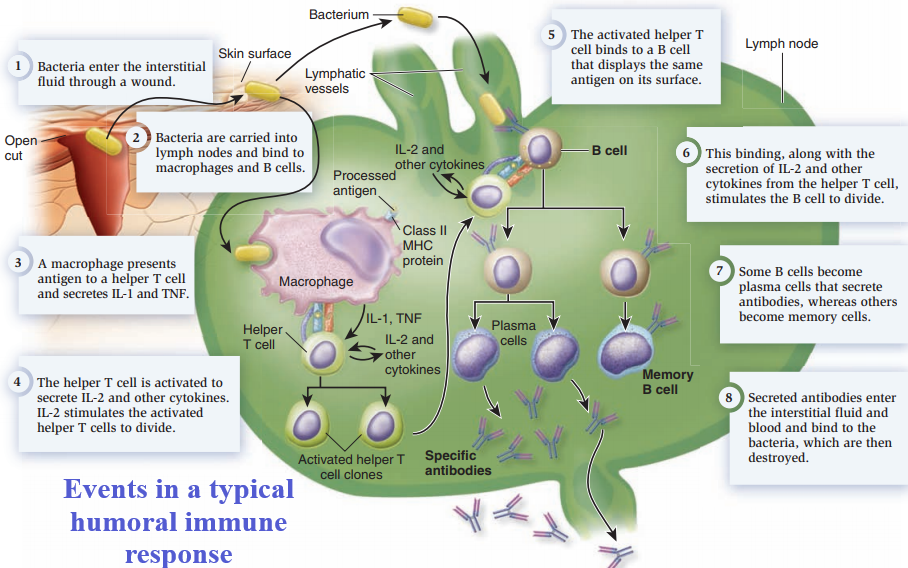
Adaptive Immunity/Specific Defenses/Acquired Immunity. Adaptive immunity Adaptive immunity is a vertebrate-specific defense mechanism that recognizes specific molecules as being foreign and clears those molecules from the body. The foreign molecules recognized may be free, as in the case of toxins, or they may be on the surface of viruses or cells such as pathogenic bacteria,…
-

Enlighten Knowledge note; The Lymphatic System.
The Lymphatic System. The lymphatic system, which is closely associated with the cardiovascular system, has four main functions that contribute to homeostasis: Lymphatic capillaries absorb excess tissue fluid and return it to the bloodstream. In the small intestines, lymphatic capillaries called lacteals absorb fats in the form of lipoproteins and transport them to the bloodstream.…
-
Animal Tissues; Types and Their Functions.
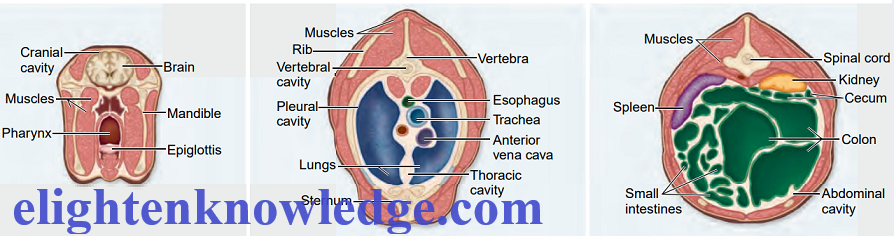
Animal Tissues; Types and Their Functions. Cells form a working animal body through their emergent properties, which arise from successive levels of structural and functional organization. Cells are organized into tissues, groups of cells with a similar appearance and a common function. Different types of tissues are further organized into functional units called organs. (The…
-
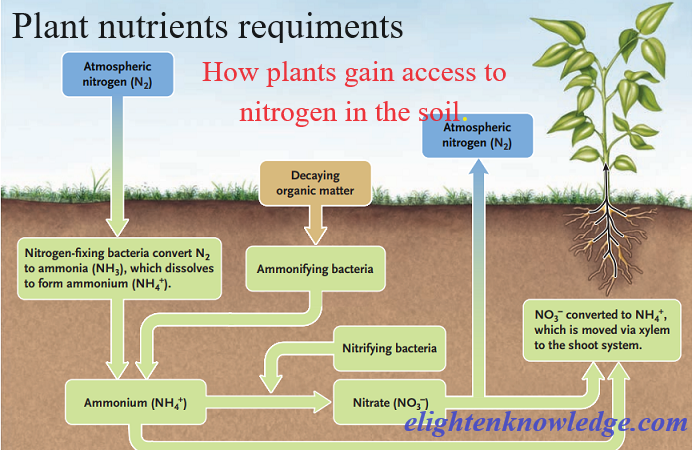
Plant Nutritional Requirement Note; Elective biology for SHS.
Plant nutritional requirement Introduction. Plants are unique organisms that can absorb nutrients and water through their root system and carbon dioxide from the atmosphere. Soil quality and climate are the major determinants of plant distribution and growth. The combination of soil nutrients, water, carbon dioxide, and sunlight allow plants to grow. The majority of volume…
-
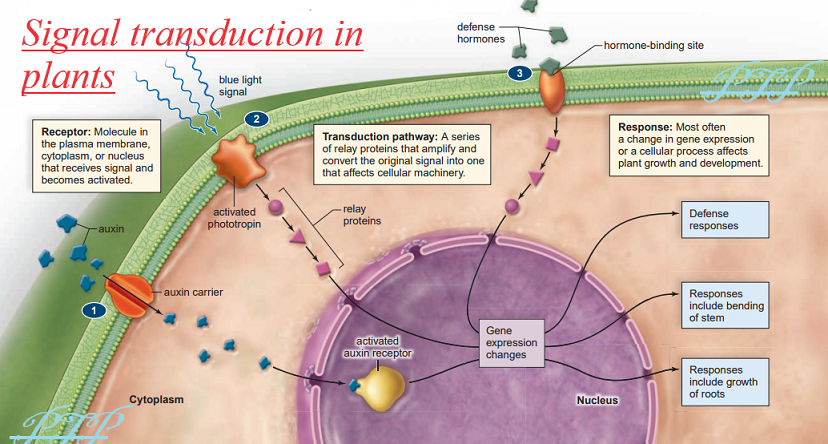
Simplified and Concise Note on Plant Hormones (elective biology)for SHS.
Simplified and concise note on Plant Hormones Introduction Flowering plants perceive and react to a variety of environmental stimuli. Examples include light, gravity, carbon dioxide levels, pathogen infection, drought, and touch. Responses can be short-term, as when stomata open and close in response to light levels. Or long-term, as when they respond to gravity by…
-

Traditional/Indigenous Way of Soap Production.
Traditional/Indigenous Way of Soap Production. Content: Introduction Scientific principles involved in soap production. The steps involved in traditional soap is production Ways of improving the quality of traditional (local) soap The by-product of soap production. Effects of excess alkali in soap production Main stages in the modern manufacture of soap Similarities between indigenous and modern…
-

Rabbit Production in Ghana.
Rabbit Production in Ghana. Content; Rabbit and its importance General characteristics of rabbits Some common breeds of rabbits How to select a good breed of rabbit for rearing Reproduction and taking care of rabbits from birth to maturity Diseases and pests that affect rabbits, and how to control them. Marketing of rabbit products Problems associated…
-

How to Can Your Food At Home.
The Principles of Canning The purpose of canning is to destroy the causes of food spoilage. Food is made to spoil by tiny organisms called molds, yeasts, and bacteria. It may also spoil because of enzymes. The canner must understand how these spoilers work in order to can food properly. Enzymes, Yeasts, and Molds. Enzymes…
-
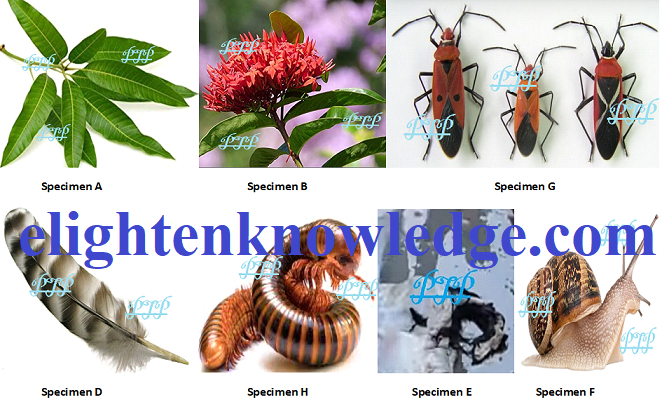
Biology Practical Questions and Answers (Section 1).
Biology Practical Questions and Answers (Section 1). Question 1 Specimen A – Twig of mango plant Specimen B – Twig of Ixora plant Study specimens A and B carefully and use them to answer the following questions Classify specimen B into its Division and Class Answer: Division Angiospermophyta Class Dicotyledoneae. State the types of leaf…
-
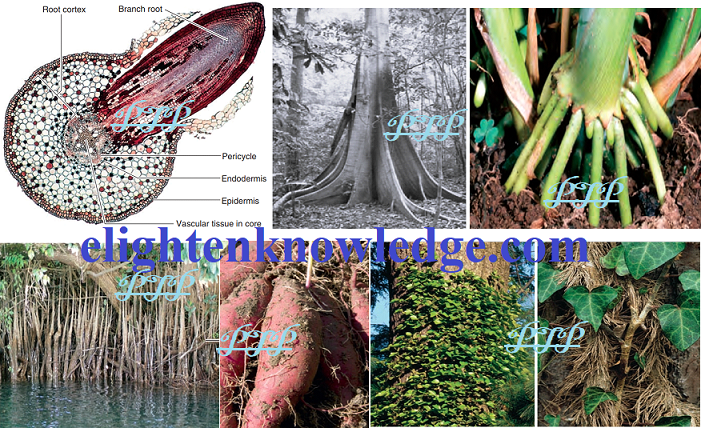
Root structure and modification, elective biology note for SHS.
Root structure and modification ROOT SYSTEM: The root system anchors the plant in the soil. It absorbs water and ions from the soil. Also, conducts water and selected ions to the shoot. And obtains energy in the form of sugar from the shoot. Stores material produced in the shoot for later use. http:// Most plants have…
-
Leaf structure, description, and modifications.
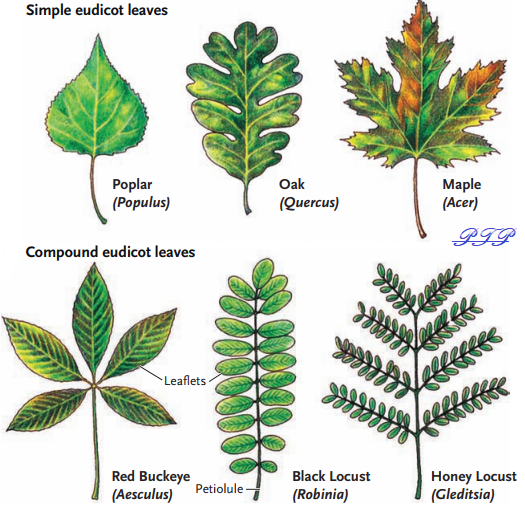
Leaf structure, description, and modifications. Leaves, which are initiated as primordia by the apical meristems, are vital to life as we know it because they are the principal sites of photosynthesis on land, providing the base of the food chain. Leaves expand by cell enlargement and cell division at the apical meristem. Most leaves are…
-
Life process of bony fish (Osteichthyes “Tilapia”), SHS elective biology.
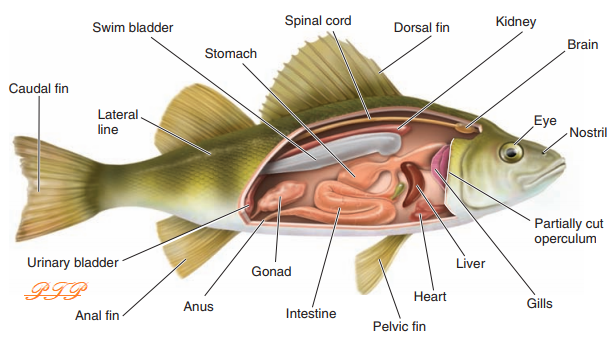
Life process of bony fish (Osteichthyes “Tilapia”) Tilapia is a common freshwater bony fish found in lakes and rivers and brackish (slightly salty) water lagoons. Tilapia is poikilothermic (cold-blooded), that is the body temperature varies with the temperature of its surrounding. http:// Scientific classification. Phylum Chordata Reason; They possess pharyngeal silts. A hollow nerve cord…
-
Reproduction in Angiosperms.
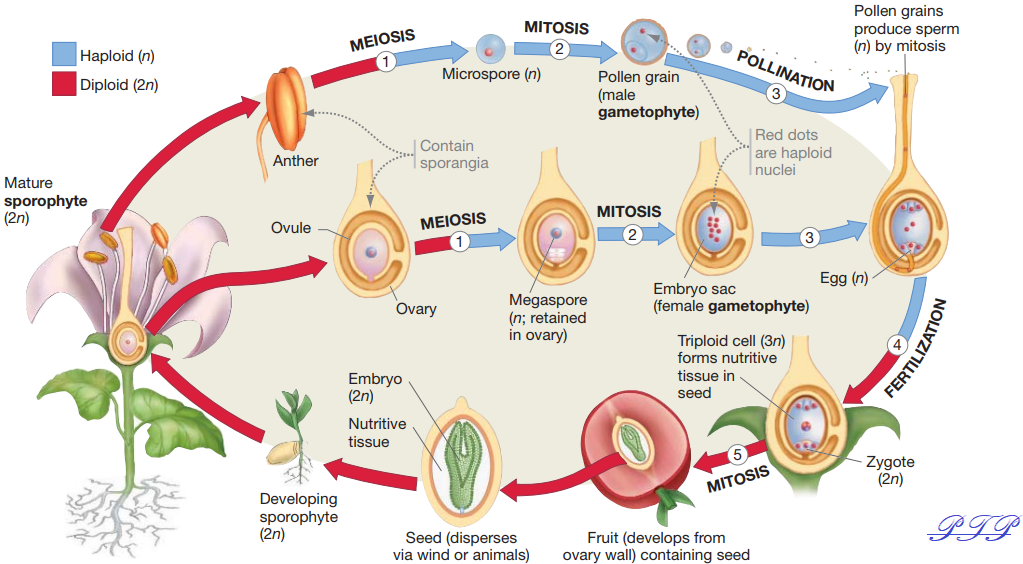
Reproduction in angiosperms. What is a flower? A flower is the sexual reproductive part of a flowering plant or angiosperm. It contains the sex organs (ovary and anther) of the plant. A fertilized flower (ovule) develops into fruits that may contain a seed or seeds. Describe the four floral parts of a flower. Corolla: It…
-
Frequently Asked Questions on the Circulatory System in Human (SHS Biology).
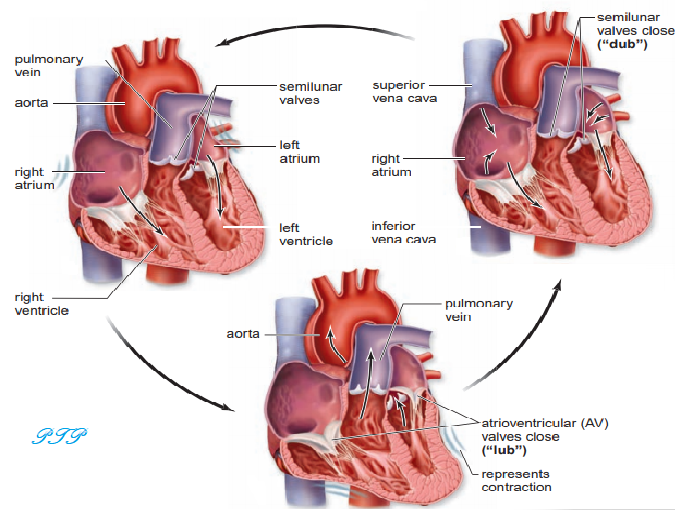
Frequently Asked Questions on the Circulatory System What are the three basic features of animal circulatory systems? The three basic features of animal circulatory systems are: a specialized fluid medium for transporting molecules, exemplified by the blood of vertebrates; a muscular heart for pumping the fluid; and tubular vessels for distributing the fluid pumped by…
-

Essay Questions on Digestive and Respiratory Systems (SHS Biology) for Revision.
Essay Questions on Digestive and Respiratory Systems (SHS Biology) for Revision. Digestive System 1. A complete digestive tract can have many specialized parts. Explain. When a digestive tract has both a mouth and anus, each part of the tract can become specialized as in the earthworm where the pharynx, crop, gizzard, and intestine have specialized…
-
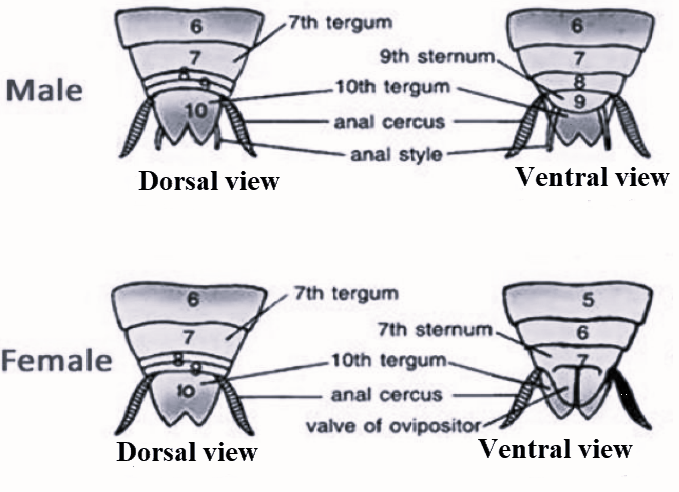
The Life of a Cockroach (Periplaneta americana); Practical Note for SHS Students.
Cockroach (Periplaneta americana). Biological Classification Phylum Arthropoda Reasons: Presence of haemocilic (open circulatory system). Presence of bilateral symmetrical body. Coelomate triploblastic. Possess jointed appendages. Possess metameric segmented body. Chitinous exoskeleton present. Cockroach undergo moulting Class Insecta. Reasons: Possess three body divisions (head, thorax and abdomen). Presence of a pair of compound eyes. A pair of…
-

Habitats and adaptation of organisms to their habitats.
Habitats and adaptation of organisms to their habitats. What is a habitat? A habitat is a particular place where a specie lives and reproduces is its habitat. The habitat might be the forest floor, a swift stream, or the ocean’s edge. An ecological niche is the role a species plays in its community, including its…
-
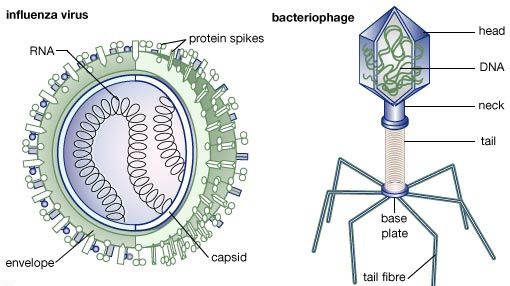
Essay Questions on Diseases and infections, integrated science for senior high school.
Essay Questions on Diseases and infections What is disease? The disease is a disorder that interacts with the normal and proper functioning of the body of a living thing negatively. The disease affects the health of an individual in an unpleasant manner bringing discomfort and unrest. PATHOGENIC DISEASES. Pathogenic diseases are the type of diseases…
-

Integrated Science for senior high schools, Atmosphere and Climate Change revision questions and answers (Essay and Objectives)
Integrated Science for senior high schools, Atmosphere and Climate Change revision questions and answers (Essay and Objectives) Sample essay questions What is greenhouse gases? List five gases which contribute to greenhouse effect. State four effects of greenhouse effects on the climate. Mention the effects of acid rain. Explain how carbon monoxide affects the health of…
Search the Archives

Stay Connected
Categories
Academic Agricultural Biology JHS NEWS NSMQ NURSE Personal Growth and Development SHS Skin Care Social Uncategorized
You May Have Missed